
May is Mental Health Awareness Month
PEN eNews is a monthly e-newsletter shared with the global PEN Community and created to help dietitians position themselves as leaders in evidence-based nutrition practice. In addition, users of the PEN System will find articles on the new evidence, resources and features available and how to maximize one's use of PEN.
May 2026 · Volume 16, Issue 5

Scrolling for Better Health: Can Social Media Improve What We Eat?
The Question
Can dietary interventions delivered through social media improve health outcomes?The Recommendation
Adolescents and Adults
Limited evidence from two systematic reviews suggests that health interventions delivered through social media likely have either no effect or a small positive effect on dietary behaviours of adolescents and adults. More research is needed before a recommendation can be made.
Evidence
A 2021 systematic review of 18 studies found that health interventions delivered through social media generally had a small positive effect on diet behaviour and/or quality (e.g. increased vegetable intake, improved Healthy Eating Index, reduced consumption of less healthy foods) in adolescents and adults, although some studies showed no effect. Many of the studies included in the review relied on self-reported measures and targeted females aged 18 to 35 years and, when ethnicity was reported, most participants were white, which limits these findings.
Grade of Evidence C
A 2021 Cochrane Review of eight studies found that, compared to non-social media interventions, health interventions delivered through social media had no significant effect on vegetable and fruit intake Grade of Evidence C or caloric intake Grade of Evidence B in adults aged 18 years and older. Study quality was downgraded due to heterogeneity and for having an unclear risk of bias. Adverse events were not discussed.
*Grade C - The conclusion is supported by limited evidence or expert opinion
Remarks
Social media was defined in the studies as online platforms (e.g. websites, apps) designed to allow users to interact with each other and to create and/or consume content. The social media platforms that were used in these studies were Facebook (including private Facebook groups), Twitter, Reddit, WeChat and mobile apps (not specified).
Unlock the full evidence — read the complete practice question now.
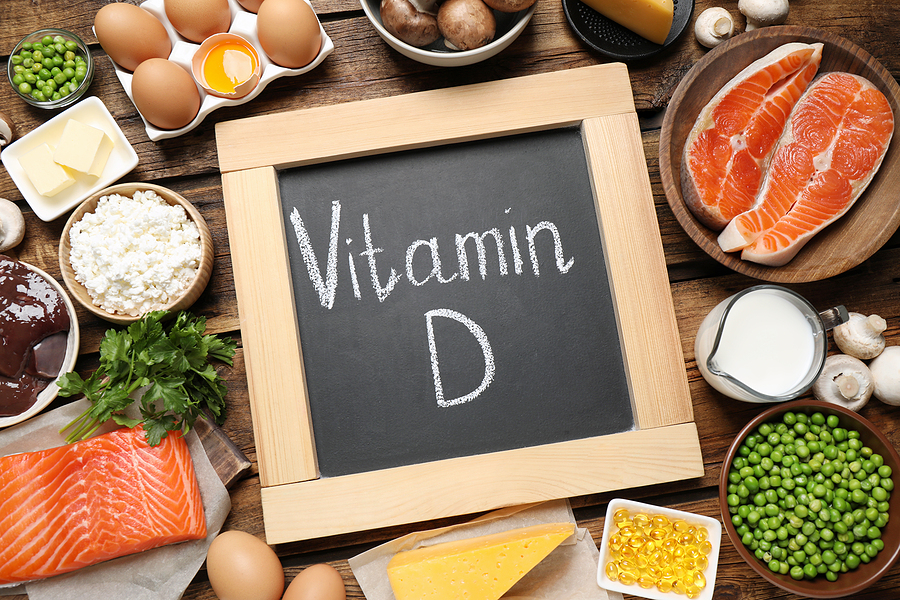
Vitamin D and ADHD: Current Evidence and Gaps
The Question
Do individuals with attention deficit hyperactivity disorder (ADHD) have lower vitamin D status? Does vitamin D supplementation improve ADHD symptoms?The Recommendation
Children with attention deficit hyperactivity disorder (ADHD) may be more likely to have lower vitamin D levels than children without ADHD. Associations between vitamin D status and ADHD diagnosis have not been reported in adults.
Vitamin D supplements may improve ADHD symptoms in children, especially those with low baseline vitamin D levels. The effects of vitamin D supplements on ADHD symptoms have not been reported in adults.
Evidence
*Grade D - A conclusion is either not possible or extremely limited because evidence is unavailable and/or of poor quality and/or is contradictory.
Remarks
The studies included in the above review defined "low" baseline vitamin D as having insufficient of deficient serum levels. Vitamin D insufficiency was defined as 12 to 20 ng/mL (30 to 50 nmol/L), while vitamin D deficiency was defined as <12 ng/mL (<30 nmol/L).
Unlock the full evidence — read the complete practice question now.

“Fuel Focus: Smart Nutrition Strategies for Children with ADHD”
✔ Providing meals and snacks based on a healthy eating plan such as Canada’s Food Guide or the DASH diet
✔ Offering foods rich in omega-3 fats
✔ Offering a variety of foods rich in iron, zinc and magnesium and vitamin D
✔ Keeping a food journal if you suspect a certain food additive may affect your child’s behaviour.
To read more about healthy food options and other considerations, view our handout here.
 May 2026 ·
Volume 16
(5)
May 2026 ·
Volume 16
(5)
A Publication of the PEN System Global Partners,
a collaborative partnership between International Dietetic Associations.
Copyright Dietitians of Canada. All Rights Reserved.